Fueling Innovation
for Excellence
Fueling Innovation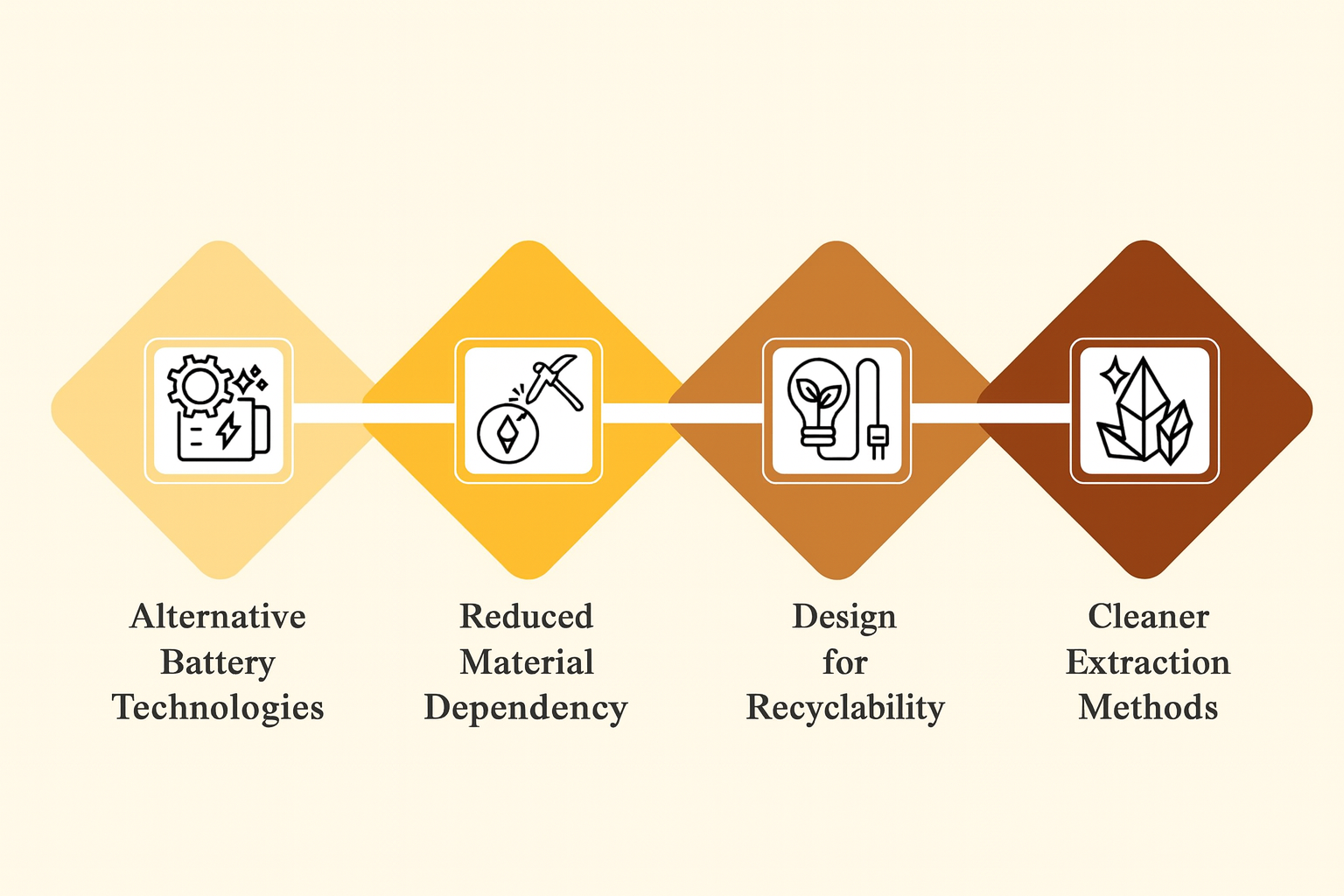
With over 30% of the world’s power now coming from renewable sources and EV sales accelerating, switching on a solar-powered light or driving an electric vehicle is no longer just a vision – it’s a global reality. We are living through the most significant energy transformation in history, one that holds the promise of a sustainable future.
Every clean energy technology tells a story of innovation and global collaboration. Take the electric car battery: it brings together graphite from China, cobalt from the Democratic Republic of the Congo, nickel from Indonesia, and lithium from South America. Wind turbines harness the strength of rare earth elements like neodymium and dysprosium to capture the power of the wind.
Though these technologies rely on critical minerals, the outcome is clear: once built, they provide clean energy for decades – reducing dependence on fossil fuels and slashing carbon emissions.
While mining and processing require resources, lifecycle studies consistently show that renewables deliver far lower environmental impacts compared to fossil fuels. For instance, a solar panel can generate clean electricity for 25–30 years after installation, whereas coal power plants must constantly burn and pollute to keep running.
Every wind turbine, battery, or solar farm represents an upfront investment that pays back the planet many times over in reduced greenhouse gases and cleaner air.
Communities at the heart of mineral supply chains play a vital role in enabling the world’s green future. Mining can bring opportunities – jobs, infrastructure, and revenue – to remote regions when done responsibly. Ensuring that local voices are heard and benefits are shared equitably is key to making the clean energy transition inclusive.
 |
|||||
 |
The industry is increasingly adopting responsible mining standards that focus on environmental care, worker safety, and community development, creating pathways for mining to uplift lives while protecting nature.
As clean energy supply chains expand, international collaboration is strengthening. Nations are investing in new refining facilities, diversifying sources, and fostering partnerships to ensure steady access to critical minerals. This cooperation builds resilience, reduces dependency on single regions, and creates a balanced global energy market.
Recycling is one of the most exciting frontiers of the clean energy movement. Advanced technologies now recover over 95% of materials from used batteries and magnets, giving critical minerals a second life. This circular approach reduces pressure on mines, conserves natural resources, and makes clean technologies even more sustainable.
Imagine: one recycled EV battery can supply enough lithium for multiple new batteries – closing the loop and powering a greener cycle of energy use.
From better battery chemistries that use fewer rare minerals, to breakthrough recycling methods and smarter mining practices, innovation is driving a cleaner, stronger energy ecosystem. Together, these advancements make renewable energy technologies more efficient, accessible, and environmentally friendly.
At the forefront of this transformation is the International Centre of Excellence in Mining (iCEM). It bridges research and real-world application, supporting technologies that make mining safer, cleaner, and more community-friendly.
By trialing solutions directly in mining operations, iCEM ensures that innovations don’t stay in labs but create impact where it matters most – improving worker safety, reducing environmental footprints, and fostering positive community relations.
iCEM’s mission is simple yet powerful: to align the urgent need for clean energy materials with responsible practices, ensuring that the green transition is sustainable for generations to come.
26 Sep, 2025